Eco-Friendly Packaging: A Practical Guide for US Brands
More US shoppers now read the box before they read the label. If your packaging claims to be sustainable, they expect it to actually be recyclable when they are done with it. This guide covers what makes packaging genuinely eco, how to tell the difference between looking green and being recyclable, and how to keep a recycled box looking premium without overstating your claims.
What actually makes packaging eco
Eco is not a single feature, it is a set of material choices that add up. The substrate matters most: eco-friendly packaging starts with recycled content or FSC-certified paperboard from responsibly managed forests. Just as important is what you do not add. The most common sustainability killers are plastic film lamination, gloss coatings, and mixed materials that cannot be separated at a recycling facility.
A few choices carry most of the weight:
- Recycled or FSC-certified stock instead of virgin board with no chain-of-custody.
- No plastic lamination so the carton stays curbside recyclable.
- Water-based or soy-based ink looks rather than heavy plastic-based coatings.
- Mono-material construction that is all paper, so it goes in one bin.
Looking eco versus being recyclable
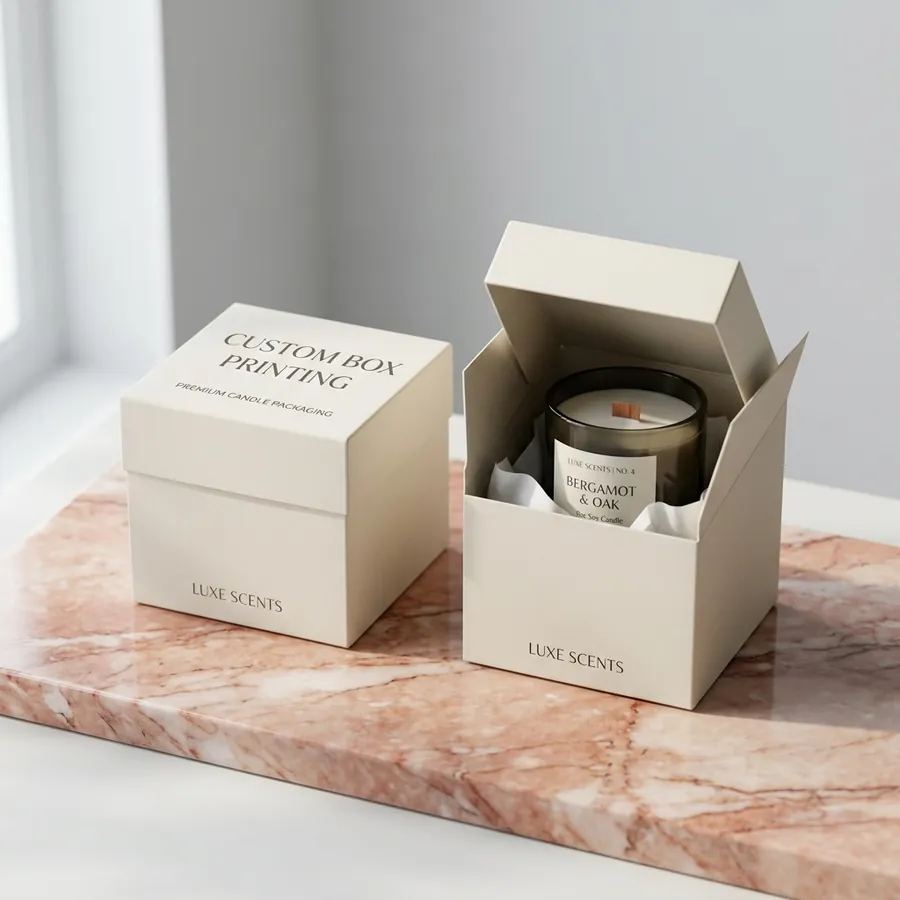
This is where a lot of brands trip. A box can read as natural with a brown kraft tone and a leafy graphic, yet still be wrapped in a plastic gloss film that disqualifies it from paper recycling. Curbside acceptance depends on the construction, not the color. If your carton is paper with paper-friendly finishes, most US municipal programs will take it.
The honest test is simple: can a customer toss the whole thing in their paper recycling without peeling anything apart? If yes, you have a recyclable package. If they have to separate a plastic window or strip a laminate, you have packaging that looks eco but performs worse than it claims.
Keeping an eco box premium
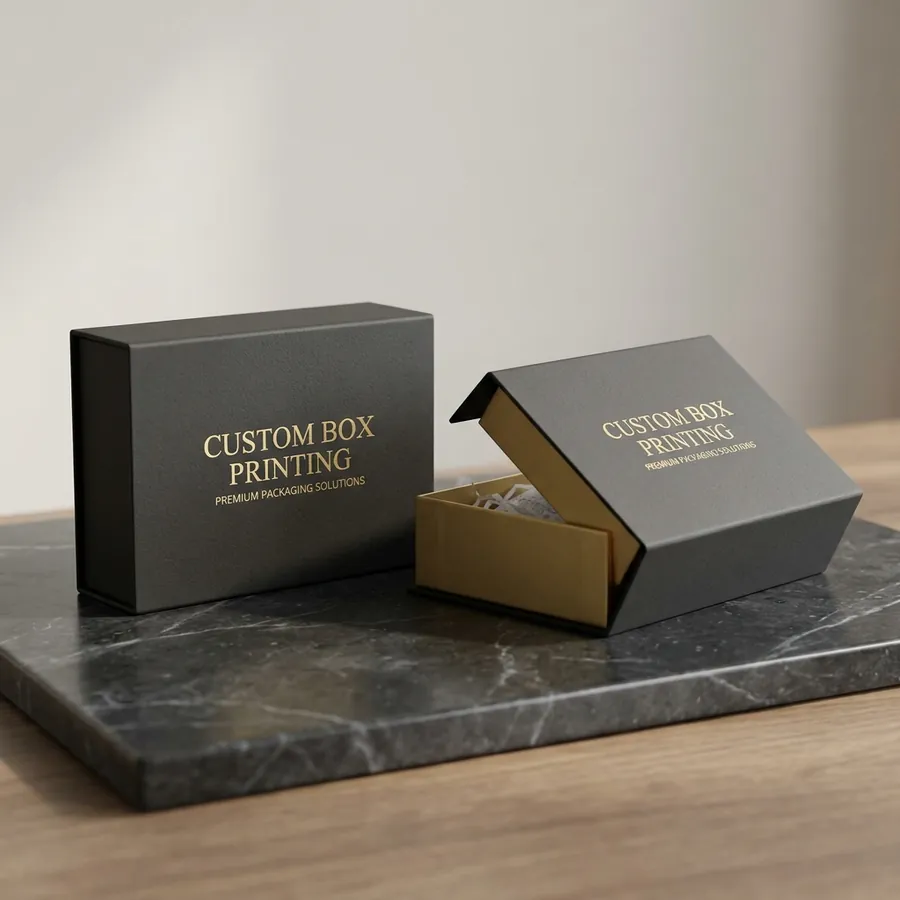
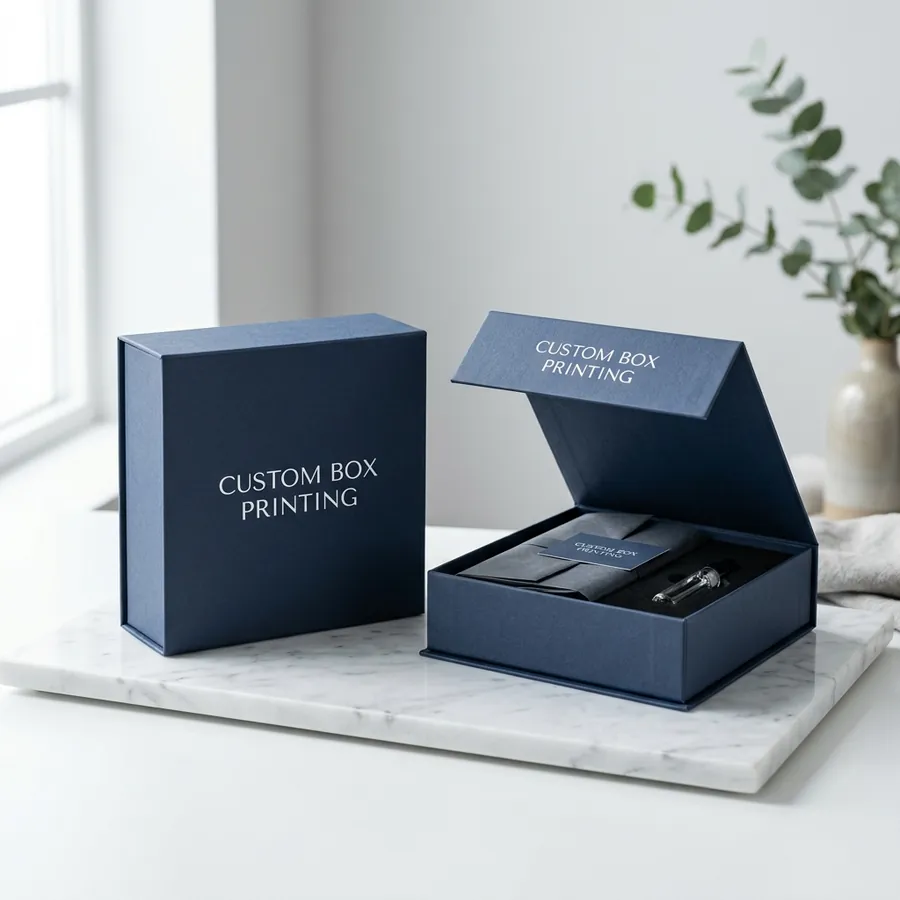
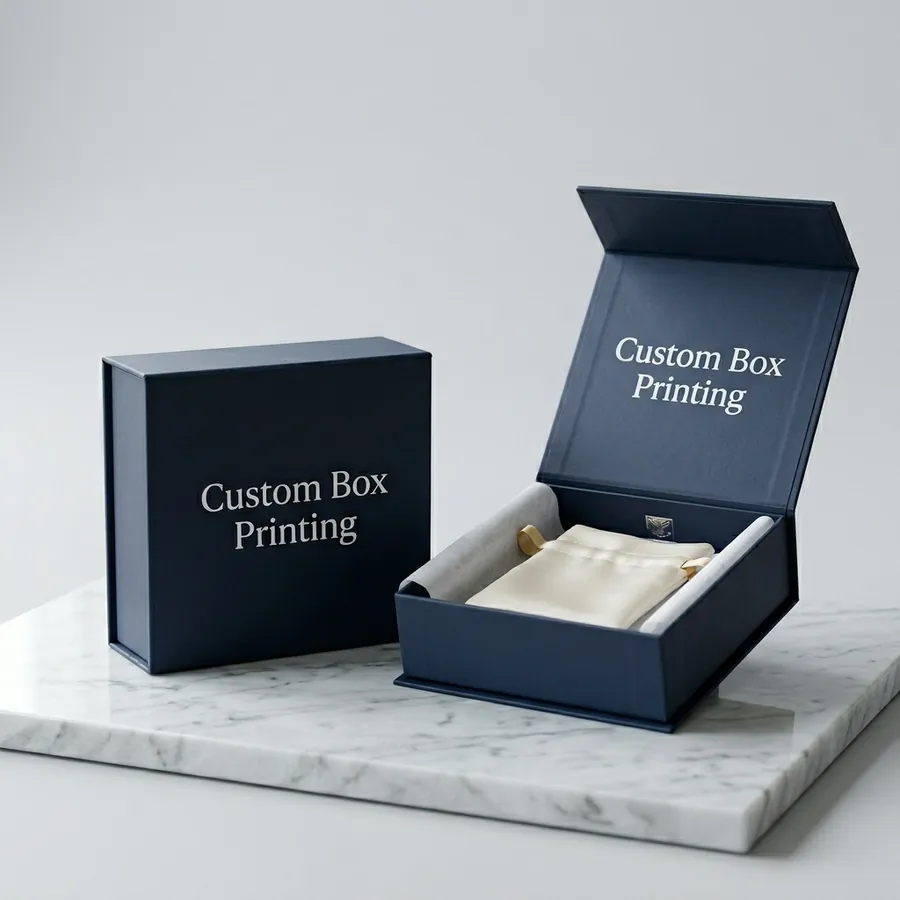
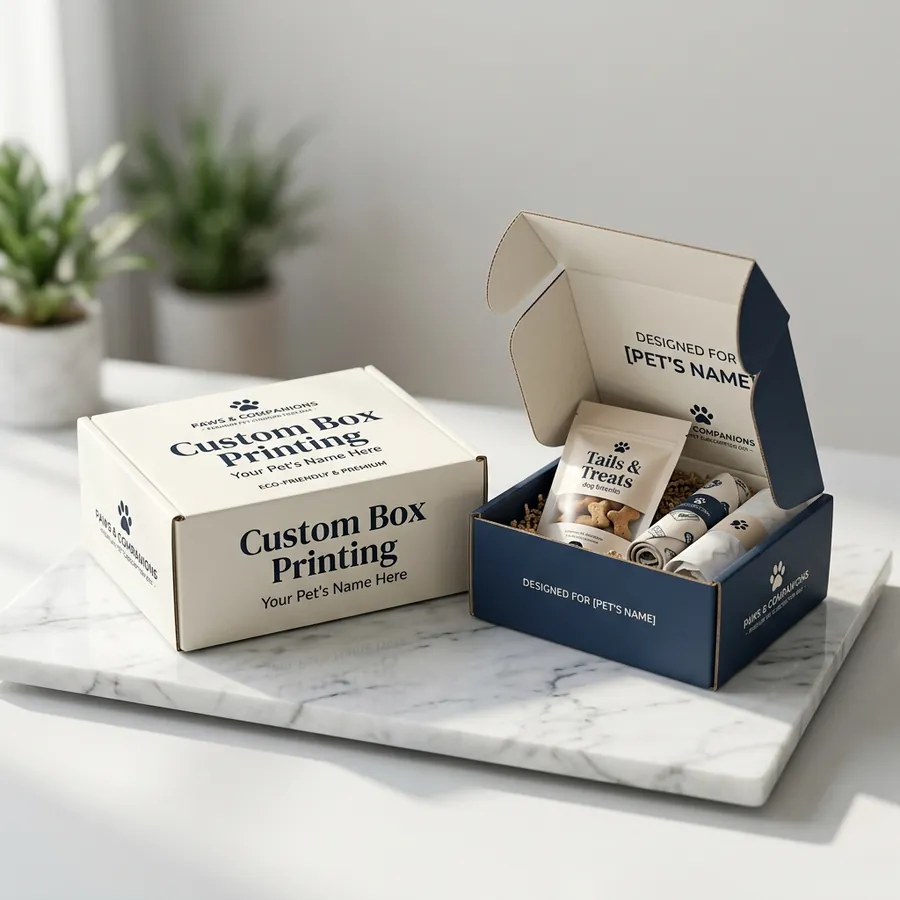
Sustainable does not have to mean plain. The strongest eco packaging leans into texture and restraint rather than shine. Uncoated and soft-touch paper finishes feel considered and expensive in the hand. Kraft boxes paired with a single foil accent or one tight color give you contrast without a full plastic-coated print.
Our favorite move for premium-but-plain is blind deboss: your logo pressed into the board with no ink and no foil at all. It is tactile, quietly high-end, and adds zero non-recyclable material. We print full-color CMYK with optional Pantone matching at no extra cost, so you can go bold on one panel and minimal everywhere else.
Avoiding greenwashing claims
Vague claims like eco-friendly or all-natural invite scrutiny and erode trust. Be specific about what is true. If your stock is FSC-certified, say so. If the carton is curbside recyclable as paper, say that. Do not call something compostable or biodegradable unless it genuinely meets that standard, because US buyers and regulators are increasingly checking.
Specific and modest beats broad and impressive. A line like printed on FSC-certified board, recyclable with paper is more credible and more defensible than a generic green badge.
The trade-offs to expect
Honest eco design means giving up a few things. The biggest one is the plastic window film many brands love for showing the product. A clear PET or acetate window breaks mono-material recyclability, so a fully recyclable carton usually means no window, or a die-cut opening with no film. High-gloss laminate is also out, which is why we steer eco projects toward uncoated and soft-touch textures.
None of these trade-offs hurt your shelf presence if you design for them. Texture, deboss, and a confident single-color system read as premium precisely because they are restrained.
Getting samples before you commit
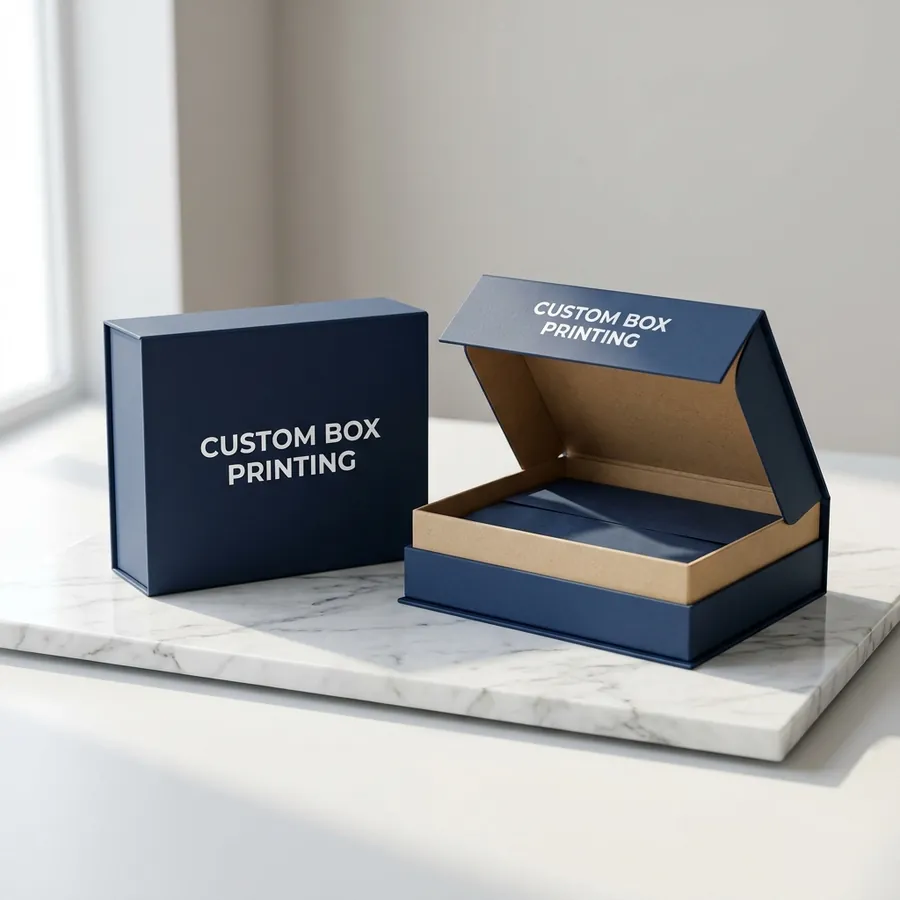
Materials feel different in person than on screen, so we recommend proving the look before a full run. Every order is US-ships across the USA, ships free across the contiguous US, and starts at just 100 units with no setup, plate, or die charges. You get free design and a free 3D mockup up front, and a custom sample (refunded on your first order) that we credit back to your production order when you proceed. Most jobs ship in 7 to 10 business days.
Bring it together
Pick a recycled or FSC stock, drop the plastic lamination, keep your inks and finishes paper-friendly, and let texture do the premium work. Make only the claims you can back up, and your packaging will hold up to both the recycling bin and the customer who reads it.
Ready to build a recyclable box that still looks expensive? Explore our eco-friendly packaging options, then request a free quote with free design and a free 3D mockup included.
Ordering custom boxes — common questions
What is the minimum order for custom boxes?
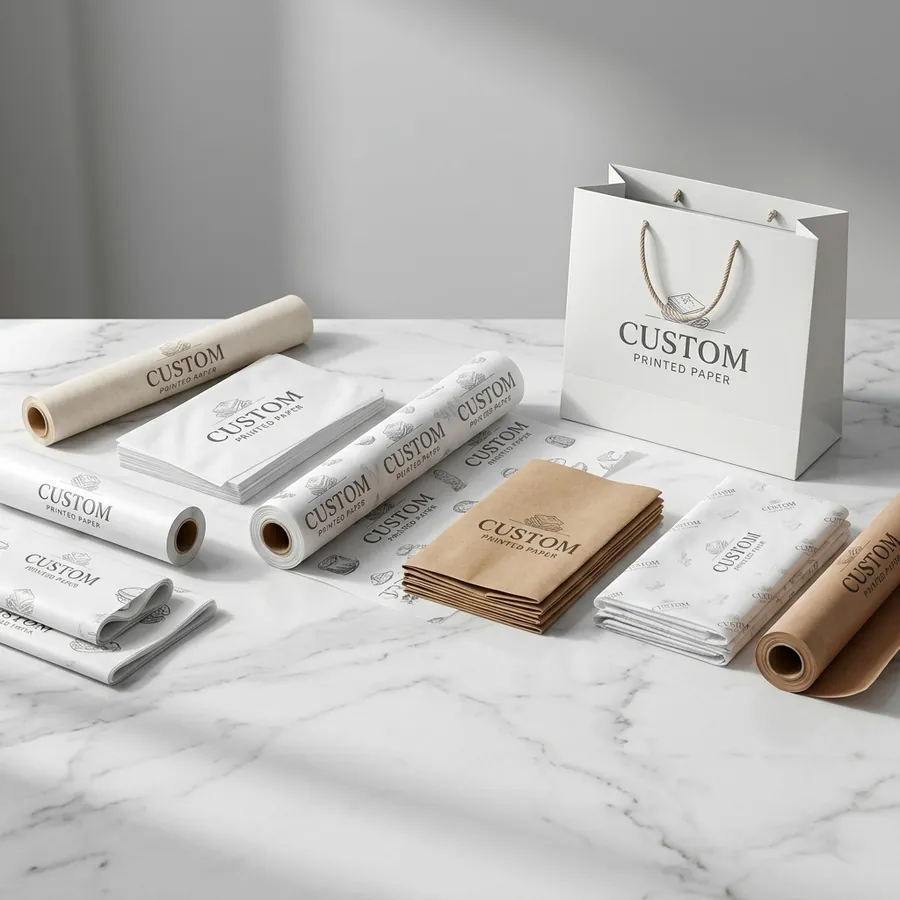
Runs start at 100 units for folding cartons (cosmetic, food, bakery, CBD, mailer), 50 units for rigid setup boxes, and 5,000 units for printed paper (deli, butcher, tissue, kraft, sandwich wrap). No die, plate, or setup fees at any quantity.
Do you ship custom boxes free in the US?
Yes — standard shipping is free anywhere in the contiguous United States on every order. Rush production (3–5 business days) and expedited shipping are available for an additional fee.
How long does a custom box order take?
Typical timeline is 1 business day for a quote, 1–2 days to approve a free 3D digital mockup, then 7–10 business days for production plus 2–5 business days for free US shipping. Rush production is available on request.
Can I see a sample before I commit to a full order?
Yes — free 3D digital mockup with every quote, and a physical sample on request (refunded on your first order) before you place a production run. You can also design and preview your box live in our free 3D box designer.
What artwork files do you need to start printing?
Print-ready PDF, AI, EPS, or PSD at 300 DPI in CMYK with 0.125" bleed is ideal. Don't have artwork? Our in-house design team builds your dieline and preps files at no cost — just send your logo and any brand references.
Do you charge setup, plate, or die-cutting fees?
No — there are no setup, plate, die, or tooling fees at any quantity. Custom dielines, artwork prep, 3D mockups, and physical samples are all included free with every order.